
How Many Sessions of Laser Hair Removal Will You Need?
Laser Hair Removal in Dublin has become one of the most sought-after cosmetic treatments for men and women looking for long-term smoothness, convenience, and a break from the constant cycle of shaving, waxing, and plucking. While the benefits are undeniable, one question almost every client asks before starting their sessions is how many treatments they’ll actually need to see the best results. The truth is that laser hair removal is a process that depends on multiple factors, from your skin type and hair color to the specific area being treated. Understanding these factors can help you set clear expectations and prepare for a smooth, comfortable treatment journey.
At Sure Therapy Clinic, clients often come in with different goals, concerns, and timelines. Some want fast results before an upcoming holiday, while others want to invest in a long-term solution for recurring ingrown hairs. No matter the reason, knowing how the process works and what influences the number of sessions required helps ensure you get the most from every appointment. Since each hair follicle has its own life cycle and laser energy works best on follicles that are actively growing, multiple sessions are essential. This detailed guide explores why that’s the case, what affects your treatment plan, and what you can expect throughout the experience.
Whether you’re considering Laser Hair Removal in Dublin for the first time or you’ve tried other methods in the past, this comprehensive breakdown provides everything you need to understand the treatment timeline, why consistency matters, and how to achieve your ideal results with the help of professionals at Sure Therapy Clinic.
Understanding How Laser Hair Removal Works
Laser hair removal uses focused light energy to target the pigment in hair follicles. When the laser pulse hits the follicle during its active growth phase, the pigment absorbs the light and converts it into heat, which disables the follicle’s ability to grow hair again. Because not all hairs are in the same growth phase at the same time, it’s impossible to treat them all in one session. This is why every client, regardless of the area being treated, will require multiple appointments.
The skin itself remains safe during this process because the laser is calibrated to target pigment only within the follicle. Modern laser systems are designed to work effectively on various skin types, and many clinics offer advanced cooling technologies to protect the skin surface and minimize discomfort. As the sessions go on, the hair becomes finer, softer, and eventually stops growing in many areas.
Understanding this science is the first step in recognizing why multiple sessions are necessary. Without treating each hair during its active phase, results will be uneven or incomplete. This is the foundation of a successful Laser Hair Removal in Dublin plan.
Factors That Determine the Number of Sessions
Several key factors influence how many laser sessions you will need. Every treatment plan is unique, and professionals assess each client individually to determine the best approach. One of the most important considerations is the area being treated. Larger areas like the legs may require more time per session but follow the same cycle as smaller areas such as the underarms. Areas with dense or coarse hair, like the bikini line or beard region for men, may require more treatments than areas with finer hair.
Skin tone and hair color play major roles as well. Laser hair removal targets pigment, so darker hair on lighter skin responds most quickly. People with lighter hair, such as blonde, light brown, red, or grey, may require more sessions and sometimes may not respond as effectively, depending on the technology used. At Sure Therapy Clinic, modern lasers can treat a wide range of hair types, but the effectiveness always depends on how much pigment is present in the follicle.
Hormonal influences also affect the number of sessions. Areas that are more sensitive to hormones, such as the face, chest, abdomen, or bikini area, may require additional treatments due to ongoing stimulation of hair growth. Individuals with conditions like PCOS or thyroid-related hair growth changes may notice slower results or require maintenance sessions over time.
Another factor is your own personal growth cycle. Genetics determine how fast your hair grows, how thick it is, and how long each follicle stays in the active phase. This means two people receiving Laser Hair Removal in Dublin may need very different timelines, even if they are treating the same areas.
Typical Session Range for Most Clients
While the exact number of sessions varies from person to person, most clients need several treatments for optimal results. Professionals generally recommend a full course spread across several weeks or months, depending on the area of the body. Facial areas may require shorter gaps between treatments since hair cycles move more quickly. Body areas, on the other hand, tend to have slower growth cycles, so sessions may be spaced further apart.
Clients with darker, coarser hair often see faster results than those with finer or lighter hair. However, people with dense hair growth may still require additional sessions to achieve full reduction. Some areas are more stubborn because of hormonal influences, making them naturally resistant and requiring more focused care.
What matters most is not the exact number of sessions but completing the full treatment cycle recommended by your practitioner. Even if you see significant reduction early on, skipping remaining sessions can leave behind dormant follicles that will become active later. A complete course helps ensure long-lasting results.
Why No Two Clients Have the Same Treatment Timeline
Even if two clients have similar hair color and similar treatment areas, their timelines may still differ. Lifestyle, genetics, hormones, and personal goals all affect how many sessions are needed. For example, someone who shaves frequently may disrupt the treatment schedule, while someone with very sensitive skin may require longer intervals between sessions. Some clients aim for total removal, while others prefer thinning or reducing hair density for easier grooming.
This is why consultations are crucial. Your practitioner assesses the texture, density, and pattern of hair growth, as well as the condition of your skin. At Sure Therapy Clinic, each treatment plan is tailored to ensure safety, comfort, and maximum effectiveness. Because Laser Hair Removal in Dublin is so popular among people of many different skin tones and hair types, personalized planning ensures everyone receives results suited to their needs.
The Role of Hair Growth Cycles
Laser technology requires targeting hair in the active phase of growth, known as the anagen phase. Only during this phase does the follicle contain enough pigment to absorb the laser energy. However, only a percentage of hairs are in this phase at any given moment. The rest are in the resting or shedding phases, where the laser is less effective.
Body hair cycles tend to be longer, while facial hair cycles are shorter. This is why treatment intervals differ depending on which area is being addressed. Consistent appointments ensure that each cycle is properly targeted over time. Missing sessions or spreading them too far apart can weaken results because some follicles may never be treated in their ideal phase.
Understanding this cycle helps you see why Laser Hair Removal in Dublin requires multiple appointments. Each session builds on the previous one to progressively reduce hair growth and deliver lasting smoothness.
What to Expect During Your Treatment Journey
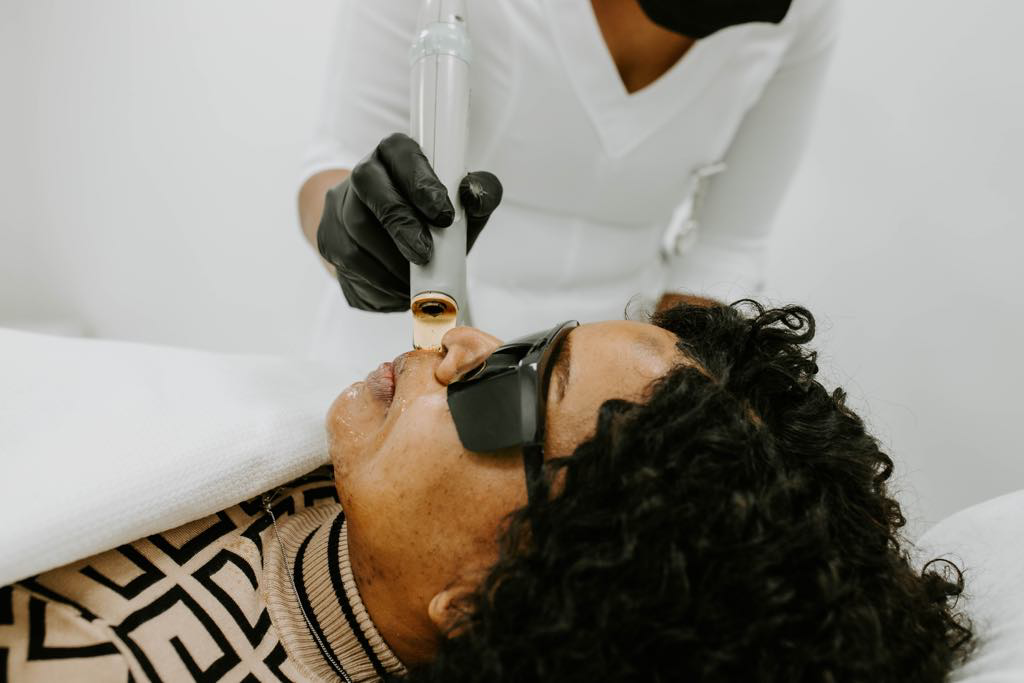
Your treatment journey usually begins with a consultation, where your practitioner evaluates your skin and hair and discusses your goals. Patch testing may be done to ensure your skin responds well to the laser. During treatments, you’ll wear protective eyewear, and your practitioner will use a handheld device that emits short pulses of laser energy. Modern cooling systems help keep the experience comfortable.
Each session varies in duration depending on the area. Underarms may take minutes, while full legs can take longer. After your treatment, mild redness or warmth is normal and usually subsides quickly. You’ll be advised to avoid sun exposure and follow certain aftercare instructions to maintain the health of your skin.
Throughout the process, you’ll gradually notice changes in your hair. After each session, hair grows back finer, softer, and less dense. Eventually, many follicles stop producing hair altogether. Consistency is the key to maximizing your results, and attending all recommended sessions will help ensure the best long-term outcome.
How Hair Type and Thickness Affect the Number of Sessions
Hair thickness influences how the laser interacts with the follicle. Coarse hair absorbs more energy, making it easier to target and treat. This is why areas like the bikini line, underarms, or male beard region often show quick improvement. However, dense coarse hair may require more sessions simply due to the larger amount of hair that must be addressed.
Fine hair presents more of a challenge because it contains less pigment. This means the laser energy may not be absorbed as effectively. Clients with lighter or finer hair may require more sessions or may need to adjust expectations regarding complete removal. The goal with finer hair is usually significant long-term reduction rather than total removal.
Your practitioner will analyze your hair during consultation and give you an approximate estimate, though the exact number of sessions often becomes clearer once treatment begins.
The Impact of Skin Tone on Treatment Plans
Modern laser systems allow practitioners to safely treat a wide variety of skin tones. However, the amount of pigment in the skin affects how the laser must be calibrated. Lighter skin with darker hair generally responds most efficiently because the laser can target the hair without competing with pigment in the skin.
Darker skin can still achieve excellent results, but additional caution is needed to avoid irritation or pigmentation changes. This may mean using specific devices, adjusting settings, or spacing sessions differently. You may also require additional treatments compared to someone with lighter skin simply due to the need for more gradual energy increases.
This is another reason why Laser Hair Removal in Dublin should always be performed by experienced professionals who understand how to tailor treatment for each skin type. At Sure Therapy Clinic, safety and precision are prioritized to ensure every client receives effective results without compromising skin health.
Hormonal Areas and Why They Need More Sessions
Some areas of the body are more sensitive to hormones and therefore tend to grow hair more actively. This includes the face, chest, stomach, lower back, and bikini line. Because hormones continuously stimulate new growth in these regions, they often require more sessions to achieve the desired level of reduction.
For people with conditions like PCOS, adrenal imbalances, or thyroid issues, the number of sessions needed may be higher. Even after a full course of treatments, occasional maintenance sessions may be recommended to keep results stable. This is completely normal and expected for hormonally influenced areas.
Clients targeting these zones often seek laser treatment because shaving or waxing can cause irritation or ingrown hairs. Laser offers a long-term solution, but it’s important to understand that these areas naturally require more attention.
Why Consistency Matters
Missing appointments or spacing them too far apart can lead to slower results. Consistency ensures that each hair cycle is targeted effectively. When clients follow their personalized schedule closely, results become more predictable and progress remains steady.
Laser Hair Removal in Dublin relies on this repeated targeting to weaken hair follicles gradually. Skipping sessions allows follicles to recover or return to growth phases that may not respond well to treatment. This can ultimately require more sessions overall. Attending each scheduled appointment helps ensure that your investment delivers the best outcome.
Comparing Different Areas of the Body
Different parts of the body respond at different speeds to laser hair removal. Facial hair tends to be more hormonally driven, which means results may take longer. Leg hair is typically coarser, making it easier to treat, but the larger surface area means treatment times are longer.
Underarms often respond quickly, with many clients seeing visible reduction early. Bikini areas tend to have dense, coarse hair that absorbs laser energy well but may require additional sessions due to hormonal influence. Arms and back may vary greatly depending on the individual’s unique hair density and texture.
Understanding these differences helps set realistic expectations. Some areas will show faster improvement, while others need more patience. Each area is unique in its cycle length and hair characteristics, which is why your practitioner will discuss these specifics before treatment begins.
Maintenance Sessions and Long-Term Results
Even after completing a full course of laser treatments, many clients benefit from occasional maintenance sessions. These are typically spaced months apart and help ensure long-term smoothness. Maintenance is especially common for hormonal areas or for clients with naturally dense hair.
The good news is that maintenance sessions are far less frequent than the initial treatment course. Many clients enjoy long periods of reduced growth, making daily grooming easier and more comfortable. Consistent aftercare and sun protection also play a role in preserving long-term results.
Laser Hair Removal in Dublin offers one of the most reliable paths to lasting hair reduction, and maintenance sessions simply help extend those results over time.
Preparing Yourself for the Required Number of Sessions
Knowing that multiple sessions are necessary helps you plan your schedule, budget, and expectations. Before starting the process, consider factors such as how frequently you can attend appointments, whether certain areas require faster results, and what type of hair you’re targeting.
Shaving before each appointment is usually required because it allows the laser to focus energy directly into the follicle without burning hair above the surface. Avoiding waxing or plucking is important because these methods remove the follicle, preventing the laser from targeting it effectively.
Your practitioner will guide you through all necessary preparation steps to ensure the treatment is safe and effective.
How Sure Therapy Clinic Tailors Each Treatment Plan
At Sure Therapy Clinic, every client receives a personalized treatment plan based on their hair color, skin type, hair density, and goals. This ensures that each session is as effective as possible. Advanced lasers allow practitioners to adjust settings and safely treat diverse skin tones and hair types.
During your consultation, your practitioner will estimate the number of sessions you may need, explain how your hair cycle affects the treatment process, and create a schedule that aligns with your expectations. As treatment progresses, adjustments may be made to optimize results.
Clients appreciate this level of customization because it ensures comfort, safety, and faster progress. With consistent sessions and expert care, you can achieve long-lasting smoothness and reduced hair growth in the areas that matter most to you.
Starting Your Journey Toward Smoother Skin
Smooth, hair-free skin offers more than just convenience. It can boost your confidence, eliminate irritation from shaving, and help you feel more comfortable in your daily routine. Laser hair removal is an investment in yourself, offering long-term results that are far more convenient than traditional methods.
If you’ve been thinking about Laser Hair Removal in Dublin and want a treatment plan tailored to your unique needs, Sure Therapy Clinic is ready to help you begin the process. Contact the clinic today at +353 896175787 to book your consultation and take the first step toward long-lasting smoothness and confidence.